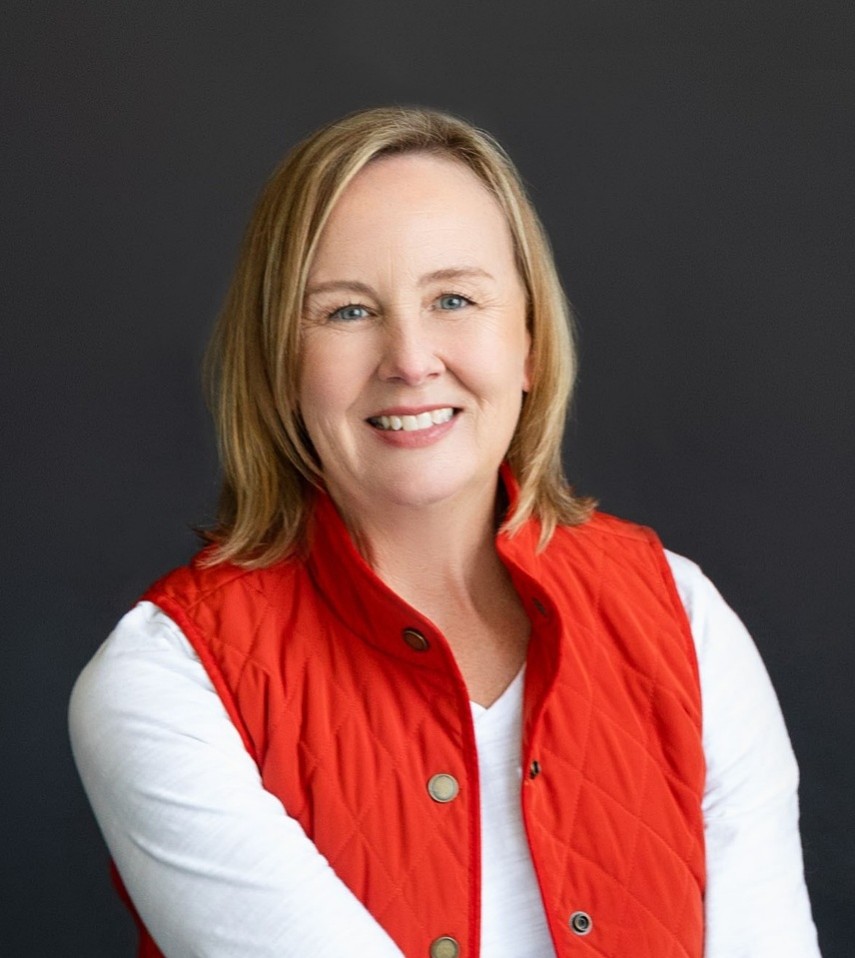
Sandy Spring moved to the Bay Area to attend Cal State where she studied Business Administration. After graduation she went on to a career in the tech industry and eventually transitioned into real estate. Sandy met her husband, Vern Chang, while working at a company-sponsored charity endeavor, holding his ladder while he helped prepare a home for a family in need. They married and eventually moved to Penngrove to pursue Sandy’s dream of being a farmer. They have less than an acre of grapevines at Roaring Frog Farm, planted entirely to Pinot Meunier, a rare find in the Petaluma Gap. Here’s her story.
Did you grow up in the Bay Area? Tell us about your childhood and family gatherings. Was wine on the table? Was farming part of your childhood experience?
No, I moved to the Bay Area to go to university and consider that time as formative years. My father was in the Air Force, so part of my experience as a child was living in many different places, including Japan. Wine was not on our table, not even for special occasions. We didn’t have a garden. Maybe their absence made them more interesting to me.
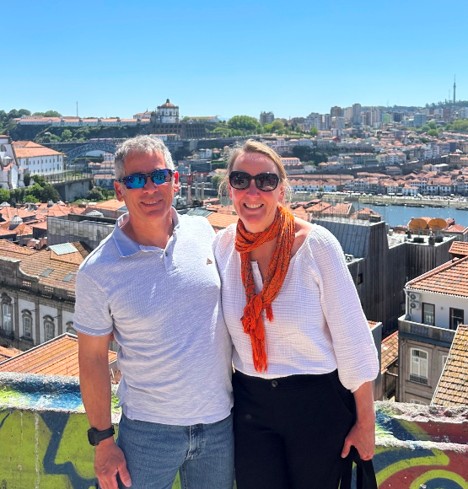
How and when did you meet your husband, Vern Chang? Was farm life something you both wanted from the beginning?
I met Vern at a company-sponsored “Christmas in April” workday now called “Rebuilding Together.” I was assigned to hold his ladder while he did work on the house. I figured he was handy, kind, and pretty cute. That was thirty-three years ago.
Fortunately for me, Vern is also pretty easygoing. One day in 2012 I woke up and told him I wanted to buy a farm. I had been putting our two rescue dogs in the car and driving them twice a month to the Central Valley to go sheepherding. I just really wanted to be able to open the door and let them go.
Vern and I started exploring wine in my mid-twenties, when we began spending time in El Dorado County. Meeting the growers and winemaker-owners at small wineries made all the difference. It became an experience and an approachable place to learn to appreciate wine. We’ve never looked back.
You and Vern purchased Roaring Frog Farm in Penngrove in 2013. What drew you to the property, and how did growing grapes become part of the plan? Was the vineyard already planted, or did you start from scratch?
I think I always knew I should have been born a farmer, but it was a little more of a surprise for Vern. Although I initially wanted to purchase the farm for our working dogs, the idea of having a vineyard seemed idyllic. We had spent more than a decade hosting monthly wine tastings and annual bus trips to Wine Country with our friends. The idea of being part of the process seemed exciting.
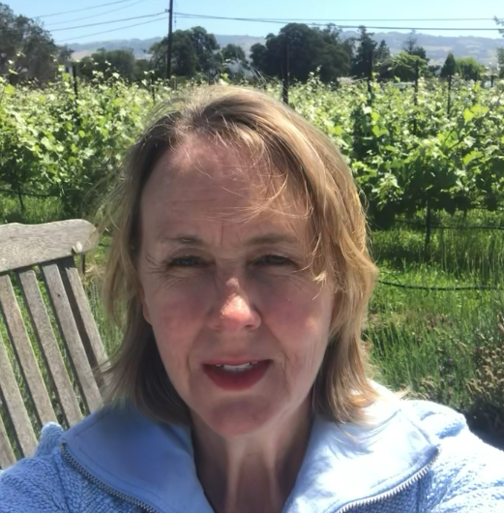 When we sold our property in Oakland, the treat to ourselves was to plant a vineyard. Being optimistic, I thought it would be a simple process. It initially was a surprise that we were way too small for anyone to be interested in helping us. It is a much longer story for another time, but I believed it was by happenstance that we were able to get the vineyard planted, and mostly because we were planting Meunier and not Pinot Noir or Chardonnay. I’ve thought that should we ever have our own label, it would be ‘Happenstances’.
There must be a story behind the name, Roaring Frog Farm. How did you choose it?
The first rainy season after buying the farm, we were still just coming up on the weekends. One week Vern went up ahead of me and called to let me know he got there safely. He made a comment about how loud the frogs were. Of course, my response was “oh, you silly city boy”. The following evening when I arrived, I found that the field across the street was filled with enough water to host thousands, if not hundreds of thousands, of frogs. They were most definitely roaring.
You’re growing Pinot Meunier, a variety we don’t hear about often in Sonoma County. What’s the story behind growing it at Roaring Frog, and how has it performed in the Petaluma Gap’s wind and cool climate?
The Petaluma Gap is well known for growing wonderful Pinot Noir and Chardonnay. Pinot Meunier, also a champagne grape, grows amazingly well in the weather conditions of the Gap. When you are small, as we are, you need to be different. Just a few years before, we discovered still wine from Meunier and really loved its personality.
Tell us about your first “barn wine.” How did it turn out? Who buys your grapes today, and where might readers find wines made from them?
We planted the vineyard in 2016; in 2018 we had just enough fruit to make about 10 cases of wine. We made it in our barn, the very old-fashioned way. It was a group effort; friends helped with everything from punching down to bottling. The fruit was fantastic, so you can imagine the wine was drinkable, but it was definitely not award-winning! The timing was perfect; it gave us something to drink through the pandemic.
Our grapes have gone to a few producers; the most recent has been La Rochelle who for several years made a still red wine. It’s sold mostly to club members, or direct-to-consumer on their website.
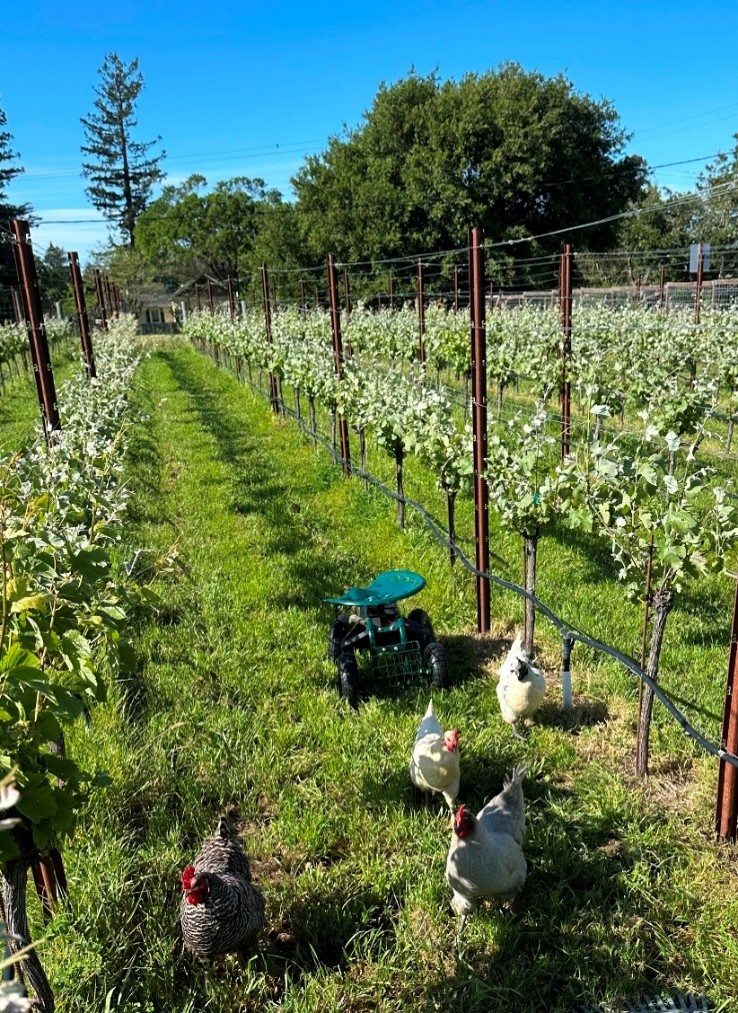 Besides grapes, what else do you grow or raise at Roaring Frog Farm? Have any of the animals earned a reputation for being especially helpful— or especially mischievous?
In the orchard that we inherited when we purchased the farm, we grow apples, pears, plums and French prunes. We raise sheep and goats, as well as chickens. As a group the farm animals are helpful in their roles as weed eaters, fertilizers, and some forms of pet therapy. I can’t blame those who are mischievous; they are doing what comes naturally. I was the one who didn’t know what I didn’t know when selecting the breeds–one of many farming lessons I’ve learned the hard way.
What inspired your move from the corporate world into real estate? How has farming in Penngrove shaped the way you help your clients at Hedge Realty?
I managed large scale IT projects in multiple industries, with the thought I wanted to be a CEO. After working with enough CEOs, I realized it wasn’t a good fit. Out of college I worked in the real estate industry in mortgage operations, technology, and real estate, which seemed like a great fit. It allows me to run my own business and enjoy the analytical, project management, and client service parts of the job. I enjoy that no two clients or transactions are ever the same.
I moved my real estate business up from the East Bay. Having the farm has helped me in a number of ways in my work in real estate. It’s a great opportunity to bring clients who want country property to see the farm and help them understand what they really want. Many think they need at least five acres, until they understand really what that looks like. And when they say they might want a vineyard, I help them understand if they really do want that responsibility, or if they just want to have “borrowed landscape,” in other words, looking at their neighbor’s vineyard.
You’re an active member of the Petaluma Gap Winegrowers Alliance and often lend a hand at our events. How did you first get involved, and what keeps you coming back?
We joined initially as Friends of PGWA (consumer membership), and right around the time the AVA was approved we switched our membership to join as growers. Being around this amazing group of people makes it easy to come back. Plus, I have learned a lot in the technical seminars and enjoy being an unofficial ambassador.
When the work is done and you can sit down with a glass of wine, where’s your favorite spot on the farm—and what makes that moment special?
That’s a tough question, it depends on the weather, the time of day, and if I am by myself. It is likely somewhere with a view of the vineyard, but I have been known to bring a glass of wine into the pasture with me while spending time with the farm animals. After a hard day at work, it doesn’t always feel special. The special feeling comes when the day has been productive and it’s accompanied by a glass of wine that I know a farmer and winemaker worked hard so that I could enjoy it.